

How Much to Replace Guttering and Downpipes
Gutter replacement requires specialized tools and safety equipment. Employing a professional guarantees that the project will be completed properly and efficiently. This reduces the risk of injury or damage to your property. Guttering professionals also provide warranties on the materials and workmanship.
You should measure and sketch the guttering system prior to when you begin. This will allow you to determine what materials you'll need.
Cost of materials
The cost of materials required to replace guttering, downpipes, and other components is a significant factor in the price of an installation of new gutters. Choosing the right material is vital to keep the cost of installation as low as possible and that is why many homeowners opt for aluminium guttering. Aluminium gutters are more affordable than plastic ones and have the added benefit of being durable, corrosion resistant and easy to work. Metal gutters and downpipes require less maintenance. This will prolong the life of your guttering system.
Gutter installation costs vary depending on the size of your house, style and material additions, as well as installation location. Installation costs are lower for a single-story home than for a multistory residence. Installation prices also vary by the kind of gutters you select and whether they are sectional or seamless. Certain gutters are more expensive than others. For instance, those made of zinc or copper can cost as much as 16 dollars per linear foot.
In addition to the cost of gutters, you'll have to think about the cost of downspouts and other accessories. Typically, professionals include prices for downspouts in their gutter installation estimate. Downspouts channel water away from the foundation by directing it towards your gutters. There are various lengths of downspouts to choose from however your gutter system will require at least four. Downspout extensions are another method to extend your gutter system. They cost between $5 and $20 per downspout in the average.
You can also improve the efficiency of your gutters by installing screens for downspouts or gutter foam. These items help to reduce debris clogs and prevent ice dams. They also work in preventing rodents from entering gutters. Gutter aprons can be used to protect gutters. They cost between $1 to $4 per linear foot.
While uPVC Guttering Specialists can install their own gutter systems, the majority of the time it requires hiring an expert. Before presenting you with an estimate, a professional gutter contractor will inspect your soffits and fascia. If the soffits or fascia are damaged or rotted you will require replacement of these components prior to installing gutters.
Cost of labour
Gutters and downpipes guard your roof against moisture damage. It's important that you repair your gutters quickly if they are damaged. This will prevent further problems. The cost of repairing your gutters will differ based on the kind of material used and the size of the roof.
Steel, vinyl and aluminum are the most well-known guttering materials. Aluminum is lightweight and does not rust. However, it is prone to crack with time. It is cheaper than other guttering options. Vinyl gutters can be inexpensive and sturdy, but they decay when exposed to ultraviolet light.
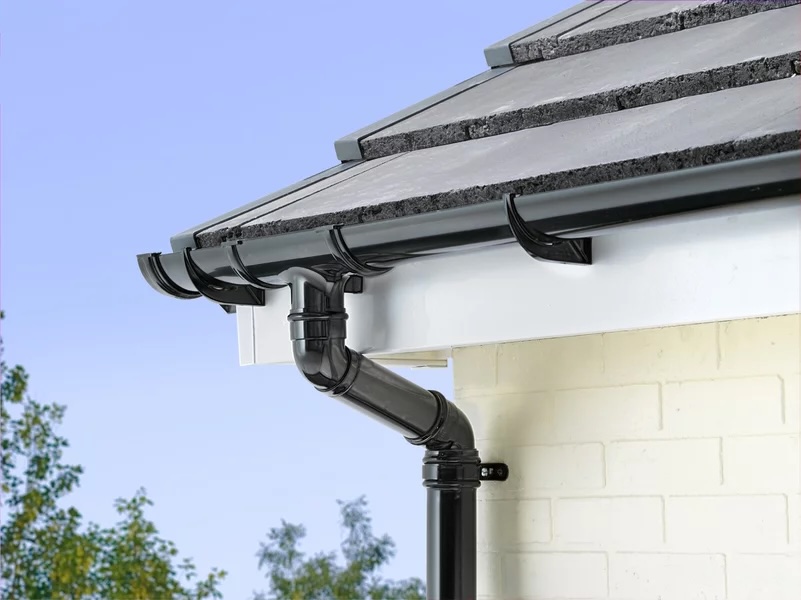
It is possible to install gutters on your own, however, it is best to work with professionals. They'll have the tools and know-how to complete the job correctly and efficiently. They will also know how to fix downspouts and guttering if they're damaged. The pros will recommend to install a second downspout in the event that your gutters become blocked. A new downspout can cost between $5 and $10 per installation.
Based on the condition of your guttering and downpipes depending on the condition of your gutters and downpipes, you may have to replace them all over or repair them. To repair a damaged or damaged gutter, you will need to clean it first and then fill the crack with waterproof sealant. Let the gutter dry for a few days before re-using it.
It is important to determine the size of your gutter system before you purchase the materials. This will ensure that you have enough materials to construct a complete gutter system. You can utilize your smartphone to take photographs or draw a sketch to aid in determining the dimensions. Make sure to double-check your measurements.
Paint screens, gutter guards, and rainwater collection systems are the main expenses associated with gutters and downpipes. These add-ons can increase the longevity of your guttering and help prevent it from getting blocked. They can also provide a bit of aesthetic appeal to your home.
Cost of equipment
You'll need a variety of equipment if you want to replace your gutters. This includes gutters, downpipes and accessories such as elbows for downspouts, connectors for downspouts and screws. You'll need a ladder as well as gloves and safety equipment. The cost will differ based on the kind of guttering you choose and the size of your home. A high-quality aluminum system will cost more than a lower-cost plastic version. It will last longer and save you money over time since it won't need to be replaced so often.
Guttering can be a daunting DIY project however it's an excellent way to reduce your maintenance costs and keep your home looking beautiful. It's crucial to plan and prepare before you begin your project. Before you begin, make sure it's an easly day. Also, you should have all the tools you need. If you're not sure what to do next, speak with an experienced gutter professional to get advice.
In addition to the price of materials, you'll need to account for labor costs. The cost of labor will vary from region to region. Local tax rates and labor costs can affect your gutter installation costs. The height of your home will also impact the labor costs. Two-story homes, for example require special tools and are more difficult than one-story homes.
Consider the amount of rain in your area when choosing the right guttering solution. If you live in an area with a moist climate, you'll need select gutters that are made for heavy rain. This will prevent downpipes and gutters from becoming clogged by heavy rains. If you live in an area that is dry, you can choose a gutter system made of copper or zinc.
The removal of an old guttering system should be relatively simple, however it can be a bit heavy and difficult to move. Generally, the first step is to unclip each length of guttering then gently lower it to the ground. The brackets will then be unbolted and each section of the downpipe removed. Use a hacksaw to cut down the length of the gutters before unclipping. This will make it easier to remove them and handle them.
Installation time
The time needed to replace guttering or downpipes is dependent on the type of roofing used, the condition of the existing components, the accessibility of the eaves, and the number and location of outlets. These elements can increase the cost of a replacement project. Gutter professionals use specialized tools to make the process easier and produce precise results. They can also avoid costly errors by ensuring that the new gutters are aligned to work with the existing ones.
When choosing a guttering installation company, make sure that they have experience installing the style of gutters that you want on your home. Request examples of their work as well as read testimonials from previous customers. It is essential to choose an organization that is insured and licensed. This will protect you if any damage occurs during the installation.
Before the work begins, your gutter installation team will review the existing gutters and make plans to install the new system. The gutters are attached to the fascia board using fasteners, and then angled towards the downspouts in order to achieve optimal drainage. Then, they will test the system and clean up the area they are working on.
Use only the best materials for your guttering. Guttering is an essential part of your home's rainwater management system and poor quality gutters can result in damages to downspouts, leaks and even foundation problems. Investing in quality gutters will ensure that your home is safe from water damage for years to come.
Add downpipes if your home has low eaves. They drain rainwater away from the foundation of your home, and will prevent ponds from forming in the backyard. You can choose between round downpipes or square downpipes, based on the style you prefer.
To avoid leaks To prevent leaks, it's an ideal idea to seal the joints between the downpipe and your house. Caulk or other sealants can be used to do this. Also, you should examine your roof and downpipes for any gaps or cracks and fill them in as necessary.